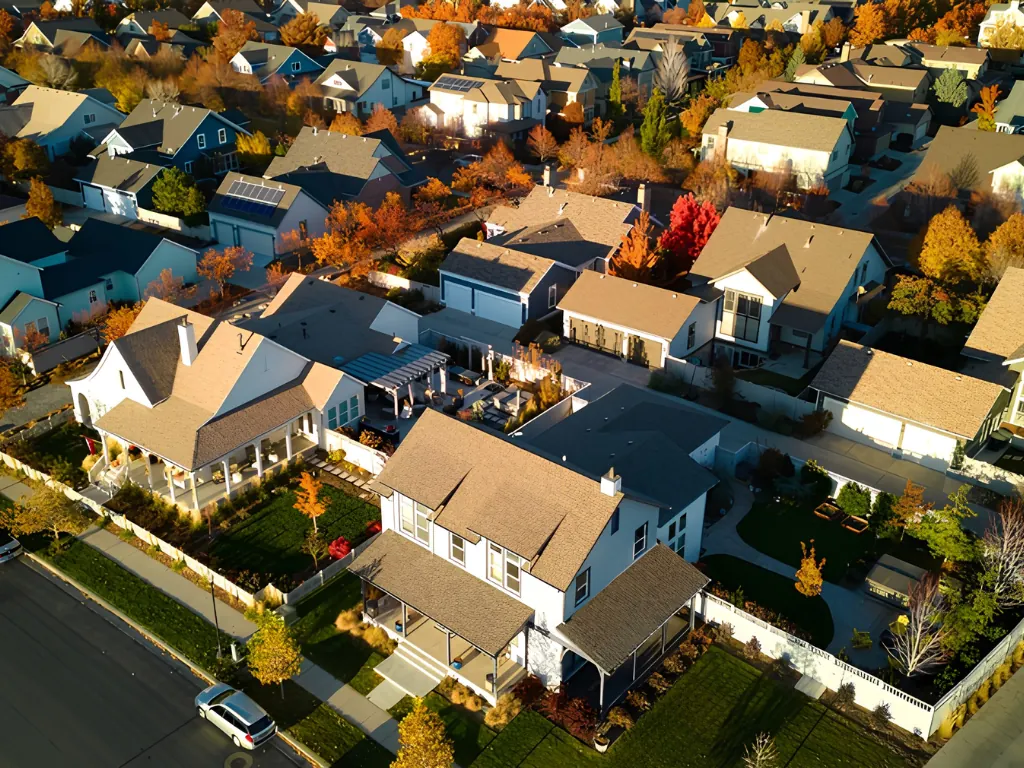

Stepping into the real estate market to purchase your very first home is one of the most transformative financial and personal milestones you will ever achieve. The prospect of owning your own property, building long-term equity, and establishing deep roots across Washtenaw, Livingston, Jackson, Lenawee, Monroe, or Wayne counties is genuinely exciting. Landlord leases, unpredictable annual rent increases, and limited freedom to customize your living space are replaced by the security and potential of real estate ownership.
However, the journey from casually browsing online property portals to sitting at the closing table and receiving the keys to your new front door can feel daunting if you do not have a clear, structured plan. Navigating complex mortgage approvals, understanding state-specific down payment assistance programs, crafting competitive purchase offers, and budgeting for closing costs require strategic preparation. Without proper guidance, first-time buyers frequently run into unexpected hurdles that can strain budgets or derail transactions altogether.
To ensure your home-buying experience across Southeast Michigan is smooth, transparent, educational, and financially sound, here is your definitive, comprehensive guide to purchasing your very first home.
1. Preparing Your Finances and Securing Mortgage Preapproval
The single biggest mistake first-time home buyers make is touring homes before establishing their exact financial boundaries and securing a formal mortgage preapproval. In active Southeast Michigan real estate markets, sellers and listing agents will not take an offer seriously unless it is accompanied by an official preapproval letter from a reputable lender.
Long before you schedule your first private walkthrough, you need to conduct a thorough review of your personal finances. Start by checking your credit reports from all three major bureaus to identify and correct any potential errors or outstanding obligations. Lenders review your credit score to determine your interest rate; even a modest bump in your score can save you tens of thousands of dollars in interest over the life of a 30-year loan.
Next, calculate your Debt-to-Income (DTI) ratio. Lenders compare your total monthly debt payments—including student loans, auto loans, credit card minimums, and personal lines of credit—against your gross monthly income. Lowering your overall debt obligations prior to applying for a mortgage increases your borrowing capacity and improves your overall loan terms.
When you are ready to speak with a mortgage professional, it is critical to understand the distinction between prequalification and preapproval:
- Prequalification is merely a high-level, preliminary estimate based on self-reported financial data. It does not involve a rigorous review of your actual documentation and carries very little weight when submitting a purchase offer.
- Preapproval is a comprehensive underwriting assessment. The lender verifies your income, tax returns, bank statements, employment history, and credit profile. Receiving a preapproval letter establishes your true purchase power, defines your estimated monthly mortgage payment, and demonstrates to sellers that you are a fully vetted, high-confidence buyer.
Working closely with an experienced local real estate professional ensures you connect with trusted lenders who understand the nuances of the local market and can tailor financing packages specifically to your financial goals.
2. Exploring Down Payment Options and Michigan Assistance Programs
One of the most persistent myths in residential real estate is that first-time buyers must save a 20% down payment before purchasing a home. While a 20% down payment eliminates the need for Private Mortgage Insurance (PMI), waiting until you save that amount can delay homeownership by years while property prices and rents continue to rise.
In reality, the average first-time buyer puts down significantly less:
- Conventional First-Time Buyer Programs: Many conventional loan products allow qualified first-time buyers to purchase a home with as little as 3% down. These programs offer flexible underwriting and allow Private Mortgage Insurance to be removed once you achieve sufficient equity in the home.
- FHA Loans: Backed by the Federal Housing Administration, FHA loans allow down payments as low as 3.5% and feature more flexible credit score requirements, making them a popular choice for buyers rebuilding credit or managing debt.
- VA and USDA Loans: Qualified military service members, veterans, and surviving spouses can access VA loans featuring 0% down payment requirements. Similarly, properties located in designated rural areas across counties like Lenawee, Jackson, or rural Washtenaw may qualify for USDA loans, which also offer 0% down financing options.
| Program or Loan Type | Upfront Down Payment | Key Features & Target Buyer Profile |
| MSHDA Down Payment Assistance | $0 Upfront Out-of-Pocket (DPA Grant) | Provides up to $10,000 in assistance as a zero-interest second mortgage for eligible Michigan buyers |
| Conventional First-Time Buyer | 3% Minimum | Low down payment requirement with removable PMI once 20% equity is reached |
| FHA Mortgage Loan | 3.5% Minimum | Flexible credit score guidelines; requires upfront and monthly mortgage insurance premiums |
| VA / USDA Rural Development | 0% Down Payment | 100% financing for eligible military personnel (VA) or designated rural property locations (USDA) |
The State of Michigan also offers robust support through the Michigan State Housing Development Authority (MSHDA). MSHDA down payment assistance programs provide eligible first-time buyers with up to $10,000 in financial support toward down payments and closing costs. These funds are structured as a zero-interest, non-amortizing second mortgage that is repaid only when you sell the property, refinance the primary mortgage, or pay off the loan balance. Leveraging state grants and low-down-payment loan products allows first-time buyers to enter the market much faster while preserving cash reserves for home maintenance, furnishings, and emergency savings.
3. Comprehensive Budgeting: Beyond the Purchase Price
When planning your total cash requirements for a home purchase, your down payment represents only a portion of the total capital needed at closing. First-time buyers must build a comprehensive budget that accounts for closing costs, prepaid reserves, immediate move-in expenses, and ongoing homeownership liabilities.
Closing costs cover essential administrative, legal, title, and lending services required to transfer real estate ownership from seller to buyer. In Michigan, buyer closing costs typically range between 2% and 4% of the total purchase price.
Key components of closing costs and prepaid items include:
- Lender and Loan Fees: Application, origination, underwriting, processing, and credit report fees assessed by your mortgage lender to process and issue your loan.
- Appraisal Fees: An independent appraisal ordered by the lender to verify that the home’s fair market value supports the agreed-upon purchase price.
- Title Search and Title Insurance: Title companies perform exhaustive public record searches to ensure the property is free of undisclosed liens, tax disputes, or ownership claims. They issue an Owner’s and Lender’s Title Insurance Policy to protect against future title claims.
- Escrow Reserves and Prepaids: Lenders collect advance reserves for property taxes and homeowners insurance premiums at the closing table. These funds are deposited into a dedicated escrow account to ensure future tax and insurance bills are paid automatically on your behalf.
- Municipal Property Tax Adjustments: Under Michigan property tax rules (Proposal A), property taxes adjust or “uncap” in the calendar year following a ownership transfer. The taxable value resets closer to the State Equalized Value (SEV), which can cause annual property tax liabilities to rise. First-time buyers must budget for this post-closing tax adjustment rather than relying solely on the seller’s historical tax bill.
In addition to closing costs, set aside funds for out-of-pocket costs during the transaction itself, such as specialized home inspection fees, well and septic testing (if applicable), and earnest money deposits. Having a clear, itemized financial roadmap ensures you complete your transaction without sudden cash flow stress.
4. Protecting Your Investment with Home Inspections and Due Diligence
Once your offer is accepted by the seller, your purchase agreement enters the formal inspection contingency period. Never waive your right to a comprehensive, independent home inspection as a first-time buyer. While a house may feature fresh interior paint, updated staging, and modern light fixtures, a professional inspection evaluates the critical structural and mechanical systems that sit out of plain sight.
A licensed home inspector conducts an objective, top-to-bottom evaluation of the property, examining elements including:
- Structural Integrity and Foundation: Checking basement walls for major settling, structural shifting, horizontal foundation cracks, or water intrusion issues.
- Roof and Exterior Envelope: Assessing the age and condition of roof shingles, flashing, gutters, downspouts, exterior siding, and proper grading away from the foundation.
- Plumbing and Mechanical Systems: Evaluating the operational condition, age, and remaining functional lifespan of the furnace, central air conditioning unit, water heater, supply pipes, and drain lines.
- Electrical Infrastructure: Verifying the main breaker panel capacity, identifying unsafe wiring types (such as knob-and-tube or ungrounded systems), and testing safety outlets (GFCIs) near water sources.
- Specialized Testing: In addition to the standard visual inspection, first-time buyers should consider specialized evaluations based on property location and age. These include radon testing, environmental mold assessments, sewer line camera scopes, and water quality testing for properties served by private wells.
If significant defects or safety issues are discovered during the inspection, your real estate agent uses the written report as leverage to negotiate necessary repairs, secure seller credits toward closing costs, or adjust the sale price prior to waiving contingencies.
5. Navigating the Offer, Closing Process, and Moving Forward
Crafting a successful purchase contract involves much more than picking a dollar figure. A well-structured offer balances price, closing timelines, seller possession terms, earnest money deposits, and protective contractual contingencies.
Once your offer is negotiated and signed, the transaction transitions into the escrow phase, where several critical steps occur in parallel:
- Loan Processing and Final Underwriting: Your lender finalizes documentation, orders the formal property appraisal, and issues full underwriting approval.
- Title Verification: The title company verifies clear property ownership, arranges title insurance, and prepares final closing figures.
- The Closing Disclosure (CD): Federal regulations require your lender to issue a standardized Closing Disclosure at least three business days before closing. This document details every final dollar amount, loan interest rate, monthly payment breakdown, and total cash needed to close. Comparing the Closing Disclosure line-by-line against your initial Loan Estimate guarantees complete fee transparency.
- Final Walkthrough: Directly prior to signing closing paperwork, you will conduct a final walkthrough of the home alongside your agent. This step verifies that agreed-upon repairs were completed correctly, no new damage occurred during the seller’s move-out, and all included fixtures remain on site.
| Home Buying Phase | Primary Action Items & Operational Goals | Key Milestone Deliverable |
| 1. Financial Preparation | Credit review, budget planning, debt reduction, and formal lender application | Issued Mortgage Preapproval Letter |
| 2. Property Search | Defining location parameters, touring homes, and analyzing market comps | Selected Target Property |
| 3. Contract & Due Diligence | Submitting custom purchase offers, order home inspections, negotiating repairs | Binding Contract & Inspection Agreement |
| 4. Escrow & Final Closing | Final underwriting approval, appraisal completion, CD review, final walkthrough | Executed Deed & Keys Delivered |
Why Expert Guidance Matters for First-Time Home Buyers
Purchasing your first home is a monumental financial event, but it does not have to be an overwhelming or stressful one. Having a patient, experienced local real estate advocate who takes the time to educate you at every stage—explaining complex contracts, auditing closing costs, analyzing local market trends, and protecting your interests during negotiations—makes all the difference.
Hope Herron specializes in guiding first-time home buyers across Washtenaw, Livingston, Jackson, Lenawee, Monroe, and Wayne counties. By taking an educational, step-by-step approach to real estate, Hope ensures that you enter the market fully equipped, navigate negotiations with complete confidence, and step through the door of your new home knowing your financial future is secure.
Ready to Start Your Home-Buying Journey?
If you are planning to purchase your first home in Southeast Michigan, reach out directly to Hope Herron today to schedule your initial home-buyer consultation, explore financing programs, and build your custom path to homeownership.