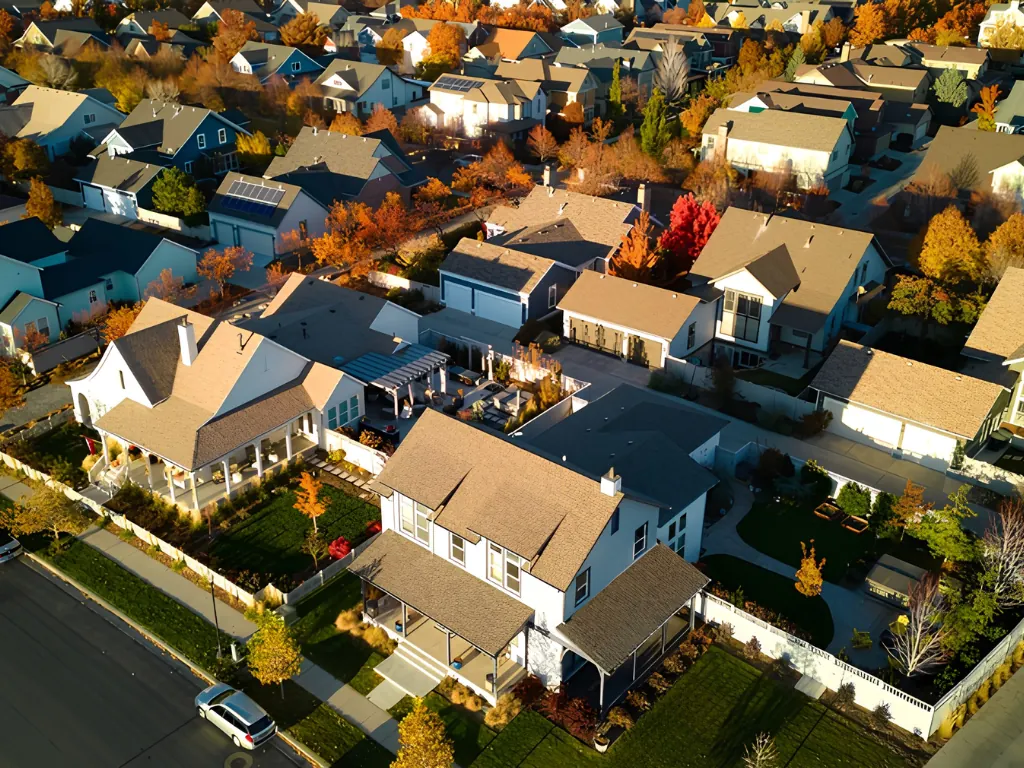

Walking through a pristine, staged model home is an exciting experience. The modern finishes, spotless open-concept layouts, and promise of a brand-new, low-maintenance home are undeniable draws for today’s home buyers. Across Washtenaw, Livingston, Jackson, Lenawee, Monroe, and Wayne counties, new construction developments continue to offer attractive options for buyers seeking customizable space and energy efficiency.
However, purchasing a brand-new home directly from a builder is vastly different from buying a standard resale property. The contracts, timelines, financing structures, and negotiation dynamics operate under a completely different set of rules.
To ensure your financial interests are fully protected from groundbreaking to final walkthrough, here is your comprehensive guide to navigating the new construction process in Southeast Michigan.
1. The Model Home Representative Works for the Builder, Not You
The most critical fact every new construction buyer must understand occurs the moment they step into a sales office: the friendly agent sitting in the model home represents the builder’s financial interests, not yours.
Why Independent Representation Matters:
- Zero Added Cost: In almost all master-planned developments and builder communities, the builder pays buyer agency commission fees out of their marketing budget. Bringing your own agent costs you nothing extra.
- Protective Contract Review: Builder contracts are written by builder attorneys to favor the builder. An independent buyer’s advocate ensures you understand delay clauses, earnest money deposit forfeitures, and inspection rights.
- Unbiased Guidance: Your agent helps you compare builder quality, evaluate lot premiums objectively, and prevent emotional overspending at the design center.
Important Rule: You must bring your buyer’s agent with you on your very first visit to the model home or ensure they register you online before you sign an intake sheet, otherwise the builder may refuse to allow independent representation.
2. Navigating Builder Contracts and Purchase Agreements
Unlike standard state-approved real estate forms used in residential sales, volume builders utilize proprietary purchase contracts designed specifically to protect their construction operations.
Key Clauses to Evaluate:
- Completion Timelines and Delay Clauses: Construction projects frequently encounter weather delays, permitting bottlenecks, or material shortages. Builder contracts generally outline estimated completion windows rather than strict deadline guarantees, limiting builder liability for delays.
- Escalation Clauses: Some builder contracts contain price escalation clauses that allow them to pass rising raw material costs (such as lumber or concrete) onto the buyer during construction.
- Earnest Money Deposit Terms: Builders often require substantial non-refundable deposits upfront or tied to specific build phases. It is vital to understand under what precise conditions (such as financing failure or structural breach) your deposit can be returned.
3. Understanding Base Price vs. Total Realized Cost
The headline price advertised on builder marketing banners—the “Base Price”—is rarely what you will actually pay at closing.
| Price Component | What It Covers | Budget Impact |
| Base Price | Standard home floor plan on a standard lot with basic builder-grade finishes | Base advertised entry point |
| Lot Premium | Surcharge for desirable site features (walkout basement, corner lot, wooded backing) | +$5,000 to $50,000+ |
| Structural Options | Layout modifications (expanded garage, 9ft basement ceilings, covered patio) | +$10,000 to $40,000+ |
| Design Center Upgrades | Upgraded flooring, cabinetry, quartz/granite countertops, lighting fixtures | +10% to 20% of base price |
| Post-Closing Additions | Landscaping, sod, underground sprinklers, window blinds, deck/patio | +$10,000 to $30,000+ |
To prevent budget overrun, determine your absolute price cap before stepping into the design center and prioritize high-value structural upgrades that are difficult or expensive to add later.
4. Why Independent Phase Inspections Are Essential
A common misconception among new build buyers is that independent home inspections are unnecessary because the home is brand new and must pass local municipal code inspections.
While municipal inspectors verify basic safety codes, they often manage heavy daily caseloads and spend limited time on site. An independent third-party home inspector works exclusively for you to verify structural craftsmanship.
Conducting a pre-drywall inspection gives you the rare opportunity to catch hidden mechanical or framing errors while they are still easily accessible and simple for the builder to correct.
5. Construction Financing and Rate Lock Strategies
Financing a new build requires strategic coordination between construction milestones and interest rate locks.
Financing Dynamics:
- Production Specs vs. Custom Builds: If you are purchasing a production spec home in a subdivision, builders often allow standard conventional, FHA, or VA financing with an upfront earnest money deposit. Custom builds on private land usually require specialized construction-to-permanent loans.
- Builder Preferred Lenders: Builders frequently offer enticing incentives—such as $5,000 to $10,000 toward closing costs or design credits—if you utilize their preferred lender. While these offers are attractive, always compare rate quotes with an independent mortgage broker to confirm the lender’s interest rate and origination fees do not offset the incentive value.
- Extended Rate Locks: Because construction can take 6 to 12 months, work with your lender to secure an extended interest rate lock with a “float-down” option, protecting you if interest rates rise during the build process.
The Essential New Construction Buyer’s Checklist
Before finalizing your builder purchase agreement, work through this step-by-step checklist:
- [ ] Independent Representation Secured: Registered your buyer’s agent on your first visit to the model office or builder website.
- [ ] Contract Reviewed: Thoroughly examined builder delay clauses, escalation terms, and deposit refund parameters.
- [ ] Total Cost Estimated: Calculated the full budget including base price, lot premium, estimated design upgrades, and post-closing additions (landscaping/blinds).
- [ ] Lender Rates Compared: Evaluated builder preferred lender incentives against independent mortgage quotes.
- [ ] Phase Inspections Scheduled: Included contractual rights to conduct pre-pour, pre-drywall, and final third-party home inspections.
- [ ] Standard vs. Upgrade Items Confirmed: Obtained written documentation detailing exactly which features are included in base pricing vs. upgraded model options.
- [ ] Punch List Established: Scheduled a formal blue-tape walkthrough before closing to document cosmetic and mechanical items requiring builder completion.
Why Specialized Representation Matters for New Builds
Building a home should be an rewarding milestone, not a stressful ordeal of unexpected costs and project delays. Having an expert advocate who understands local builder reputations, construction techniques, and purchase contracts ensures your investment remains sound at every step.
Hope Herron treats new construction representation as a core specialty, helping buyers throughout Washtenaw, Livingston, Jackson, Lenawee, Monroe, and Wayne counties navigate builder options, negotiate contract terms, and oversee quality control.
Planning to Visit a Model Home Soon?
Before you sign a builder guest log or tour a model home sales center, connect with Hope Herron to ensure you have independent buyer representation and expert guidance working for you from day one.