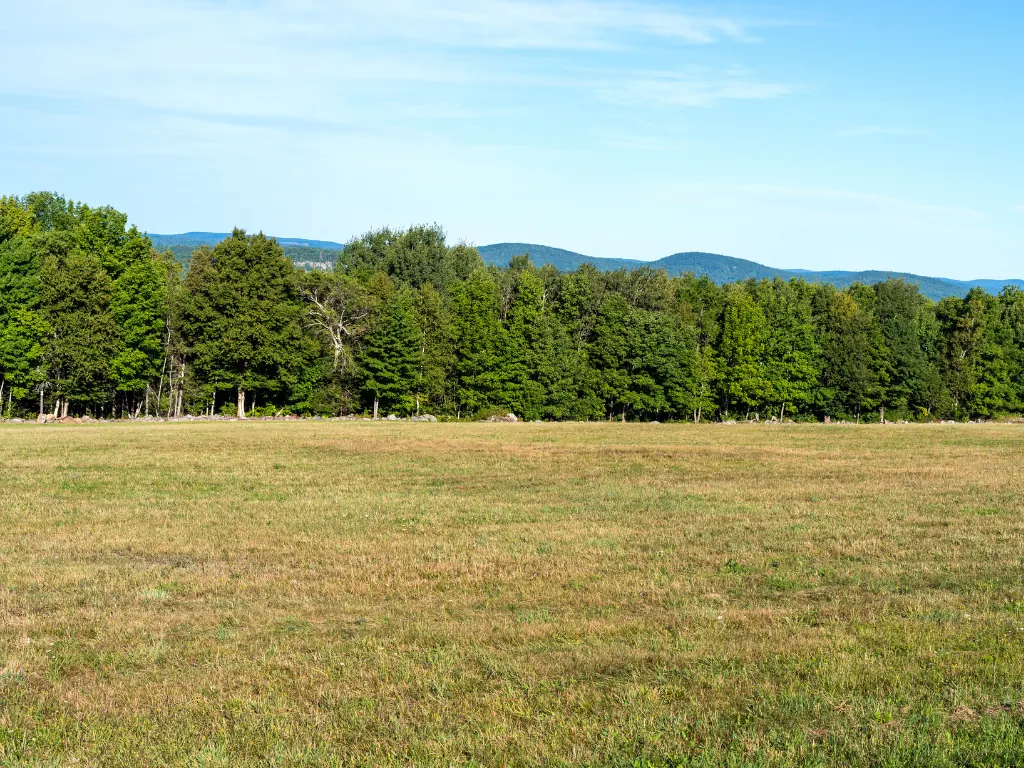
Buying raw land feels like holding a blank canvas. Whether you picture building a custom architectural masterpiece, establishing a quiet rural homestead, or holding property as a strategic long-term financial investment, purchasing a vacant parcel offers freedom that traditional residential real estate simply cannot match.
However, purchasing vacant land is fundamentally different from buying a turnkey single-family home. When you tour an existing house, key structural elements—such as utility hookups, driveway access, structural stability, and municipal approvals—are already established. With raw dirt, nothing is guaranteed. A 10-acre parcel can appear ideal on paper, yet remain entirely unbuildable due to soil conditions, restrictive municipal zoning, or lack of legal access.
To ensure your investment remains protected and your vision comes to fruition, thorough due diligence is non-negotiable. Before submitting an offer or waiving contingencies on a land parcel in Washtenaw, Livingston, Jackson, Lenawee, Monroe, or Wayne counties, here is the comprehensive guide to everything you must evaluate.
1. Zoning Restrictions and Permitted Land Use
Never assume that owning land grants you total freedom to build whatever you desire. Municipal zoning ordinances dictate precisely how a parcel can be used, what structures can be erected, and how far those structures must sit from property lines.
Key Zoning Considerations:
- Zoning Classification: Is the property zoned Agricultural (A-1), Single-Family Residential (R-1), Rural Residential, or Commercial? Confirm that your intended build—whether a modern residence, barndominium, accessory dwelling unit (ADU), pole barn, or equestrian facility—is explicitly permitted “by right” rather than requiring a complex conditional use permit or zoning variance.
- Setbacks and Build Envelopes: Setback regulations define the minimum distance required between a building and the front, rear, and side property lines. On narrower or uniquely shaped lots, stringent setback rules can shrink your actual “buildable envelope” significantly.
- Minimum Square Footage Requirements: Many townships enforce minimum square footage requirements for primary residences, as well as strict caps on outbuilding height and footprint ratios.
- Overlay Districts: Certain parcels fall within historic overlay districts, environmental preservation zones, or natural river corridors that impose additional design and clearing restrictions.
Before signing a purchase contract, review the township’s master plan and consult directly with the municipal zoning administrator to verify your plans align with local ordinances.
2. Soil Composition and Percolation (“Perc”) Testing
For parcels located outside municipal sewer networks, your ability to construct a dwelling depends entirely on an approved on-site septic system. A septic system relies on the surrounding soil to filter wastewater naturally.
Understanding the Perc Test:
A percolation test (perc test) measures the rate at which water absorbs into the soil.
- Passing Soil: Loamy, sandy soil absorbs water at an ideal rate, allowing for a standard, cost-effective conventional septic drain field.
- Failing Soil: Heavy clay, compacted hardpan, or high groundwater tables absorb water too slowly (or too quickly without proper filtration), causing a standard test to fail.
What Happens If a Parcel Fails a Perc Test?
A failed perc test does not automatically render land useless, but it significantly impacts construction budgets. You may be required to engineer an alternative septic system, such as an elevated mound system, an aerobic treatment unit (ATU), or a drip irrigation design. These alternative systems often cost between $15,000 and $35,000+ to install—substantially more than a $7,000 to $12,000 conventional system.
Always include a soil testing contingency in your purchase agreement so you can test the dirt before finalizing the sale.
3. Utility Access and Infrastructure Costs
A parcel listed at a low purchase price can quickly become expensive once you account for the cost of bringing utilities to the site. Never assume power, water, or internet are readily available simply because you see lines running along a nearby road.
| Infrastructure Element | Public System Connection | On-Site/Off-Grid Alternative | Estimated Budget Impact |
| Water Supply | Municipal Water Main | Private Drilled Water Well | $6,000 – $15,000+ for well drilling & pump installation |
| Wastewater | Municipal Sanitary Sewer | Septic Tank & Drain Field | $8,000 – $35,000+ depending on perc results |
| Electrical Power | Overhead / Underground Utility Lines | Solar Array / Battery Storage | 25–50+ per foot for line extensions beyond standard limits |
| Natural Gas | Utility Main Extension | Propane Tank (Leased or Owned) | $2,000 – $6,000 for tank setting & gas lines |
| Telecommunications | Fiber / Cable Broadband | Satellite Internet (e.g., Starlink) | Varies; high-speed cable hookups can be costly on long driveways |
Distance Matters:
If your ideal building site is set back 500 feet from the road, extending electrical power, natural gas, and communications cables across that distance requires utility poles or trenching, adding significant expense to your sitework budget. Contact local service providers during your due diligence period to receive written connection estimates.
4. Boundary Surveys, Legal Access, and Easements
Unclear property lines and undocumented access points represent two of the most common causes of rural property litigation.
Boundary Surveys
Never rely on tax maps, aerial mapping tools, fence lines, or seller statements to determine property lines. Commission a professional boundary survey by a licensed land surveyor. The surveyor will physically stake the corners, confirm precise acreage, verify that lot dimensions match county records, and identify potential encroachments.
Deeded Legal Access vs. Physical Access
Physical access does not automatically mean legal access. A gravel path may cross a neighbor’s parcel without a formal legal agreement on file.
- Direct Frontage: Ideal access occurs via direct frontage on a publicly maintained road.
- Ingress/Egress Easements: If the parcel is set back behind other properties, legal access must be guaranteed through a recorded ingress/egress easement attached to the title.
- Private Road Maintenance Agreements: If access is via a private road or shared driveway, verify whether a legally binding road maintenance agreement exists among neighboring owners to cover snow removal, grading, and repaving costs.
5. Topography, Environmental Features, and Wetlands
A parcel’s terrain determines how easy—or costly—it will be to clear, excavate, and build.
Environmental Hazards & Restrictions to Watch For:
- Regulated Wetlands: State and federal regulations strictly protect wetland zones. Distributing fill dirt or building within designated wetlands requires specialized permits and often mitigation, which can limit development.
- Floodplains: Review FEMA flood maps to determine if any portion of the buildable area sits within a 100-year floodplain. Building in a flood zone requires elevated foundations and specialized flood insurance.
- Steep Slopes and Soil Stability: Excessive elevation changes require significant cut-and-fill excavation, retaining walls, and specialized foundation engineering.
- Environmental Contamination: For parcels previously used for commercial, industrial, or heavy agricultural activity, consider ordering a Phase I Environmental Site Assessment (ESA) to check for buried fuel tanks, chemical run-off, or hazardous materials.
6. Financing and Tax Considerations for Vacant Land
Financing raw land differs significantly from securing a standard residential mortgage. Lenders view vacant land as higher risk because there is no residential structure serving as immediate collateral.
Land Financing Options:
- Raw Land Loans: Used for completely undeveloped parcels lacking utilities or roads. These typically require larger down payments (often 20% to 50%) and carry slightly higher interest rates with shorter loan terms.
- Lot / Land Loans: Tailored for parcels that already have utility access and road frontage, or are located within established subdivisions. These offer more favorable terms than raw land loans.
- Construction-to-Permanent Loans: If you plan to break ground immediately, a construction loan covers both the land acquisition and building costs, converting into a single conventional mortgage once the home receives its certificate of occupancy.
Property Taxes and Uncapping:
Under Michigan property tax laws (Proposal A), a property’s taxable value “uncaps” in the calendar year following a transfer of ownership, adjusting closer to the State Equalized Value (SEV). Additionally, if you purchase land currently classified under agricultural tax incentives, converting that land to residential use may trigger rollback taxes or special assessment adjustments.
The Essential Land Buyer’s Due Diligence Checklist
Before waiving contingencies on a vacant land transaction, check off each step on this due diligence checklist:
- [ ] Zoning & Land Use Confirmed: Verified permitted uses, setback requirements, minimum building footprints, and outbuilding restrictions with the local township.
- [ ] Perc Test Completed: Conducted a soil percolation test with local health department oversight or reviewed recent certified soil reports.
- [ ] Utility Access Verified: Confirmed proximity, extension costs, and hookup fees for power, natural gas, water/well, sewer/septic, and high-speed internet.
- [ ] Boundary Survey Ordered: Commissioned a licensed surveyor to mark physical property corners and check for encroachments or easements.
- [ ] Legal Access Documented: Confirmed deeded access via public road frontage or recorded ingress/egress easements.
- [ ] Title Search Reviewed: Verified clean title free of unexpected liens, historical deed restrictions, or active mineral rights claims.
- [ ] Environmental Review: Checked FEMA flood maps, DNR wetland inventories, and local steep slope regulations.
- [ ] Sitework Estimates Gathered: Obtained written bids for driveway installation, tree clearing, grading, and utility extensions.
Why Specialized Representation Matters When Buying Land
Many real estate transactions center on residential resale properties—evaluating kitchens, roof ages, and modern finishes. But evaluating vacant land requires a distinct set of analytical skills: deciphering municipal codes, understanding soil composition, reading land surveys, and evaluating sitework requirements.
Hope Herron approaches vacant land as a dedicated specialty, helping buyers throughout Washtenaw, Livingston, Jackson, Lenawee, Monroe, and Wayne counties navigate parcel acquisitions with clarity and confidence.
Whether you are evaluating a small residential parcel in town or acquiring vast acreage for a private estate, working with a specialist ensures your contractual contingencies protect your earnest money while you perform thorough due diligence.
Ready to Find Your Ideal Parcel?
Before making an offer on raw land, ensure you have an experienced advocate on your side. Reach out directly to Hope Herron today to evaluate property potential, structure protective contract contingencies, and turn your land ownership goals into reality.